About Rotary Air Valve
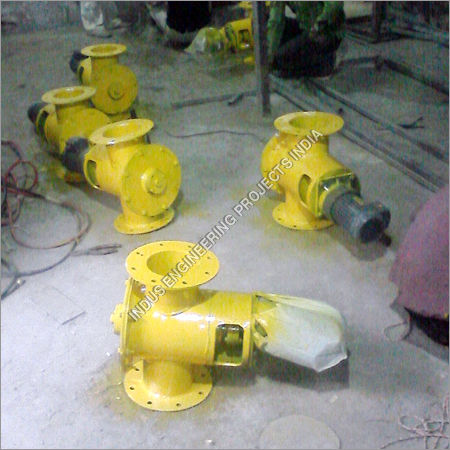
Being a trusted organization in this domain, we are engrossed in manufacturing, exporting and supplying a wide variety of Rotary Air Valve. The offered valve is designed by utilizing premium quality raw materials and advanced technology at our modern manufacturing unit. This valve is extensively used for providing controlled air flow. Additionally, we offer these Rotatory Air Valves in customized sizes as per the requirement of our clients within the given time period.
Features:
- Rugged design
- Sturdiness
- Low maintenance
- Highly durable
Versatile Material and Drive OptionsChoose between Cast Iron and Mild Steel to match your application requirements, ensuring durability and longevity. Select pneumatic or electric drive to optimize the operation based on your existing system arrangements. Both options provide consistent performance and are suitable for ambient temperature air and handling needs.
Customizable to Fit Your SystemThis rotary air valve offers customizable port sizes and comes with standard flanged ends, enabling easy installation within new or existing pneumatic or dust collection systems. Sizes range from 150mm to 500mm, accommodating a wide variety of operational scales and requirements.
High Performance in Challenging EnvironmentsDesigned for industrial applications, these valves feature high-quality neoprene or rubber seals for leak-resistant operation even in demanding settings. The smooth paint finish not only enhances appearance but also provides additional protection against environmental factors, making them suitable for extended use.
FAQs of Rotary Air Valve:
Q: How does a rotary air valve function within pneumatic systems?
A: A rotary air valve regulates the controlled flow of air or fine particulate material in pneumatic systems, ensuring continuous movement while maintaining system pressure and minimizing air loss or contamination.
Q: What are the benefits of using neoprene or rubber seals in these rotary air valves?
A: Neoprene or rubber seals provide excellent air-tightness, reduce wear, and prevent leakage, which extends the service life of the valve and enhances the overall efficiency of dust collection or conveying systems.
Q: When should I choose between cast iron and mild steel construction?
A: Cast iron is preferred for applications demanding high durability and resistance to wear, while mild steel is chosen for its lighter weight and lower cost when handling non-corrosive materials in less demanding settings.
Q: Where can these rotary air valves be installed?
A: Rotary air valves can be integrated into industrial dust collection units, pneumatic conveying lines, and other air-control systems typically found in manufacturing, processing plants, or warehouse facilities.
Q: What is the process for customizing port sizes or flange ends?
A: You can specify required port sizes and flange standards when placing your order. The manufacturer will engineer the rotary air valve to your specifications for seamless integration in your system.
Q: How do electric and pneumatic drives differ in operation?
A: Pneumatic drives use compressed air for operation, making them suitable for environments where electricity is restricted. Electric drives, available in 220V/380V options, provide more precise control and are ideal where electrical supply is consistent.
Q: What maintenance steps should be followed to ensure long service life?
A: Regularly inspect and clean the valve, check and replace seals as needed, ensure correct alignment with adjoining equipment, and monitor for any abnormal vibrations or noises to maintain optimal performance.


 Chat with us




 Send Inquiry
 Send Inquiry
 Send SMS


